
As instructors, we spend a lot of time learning what to teach. We build progressions, collect
exercises and work on how we explain things, but it is easy to become so focused on what
we planned to teach that we stop paying attention to the person in front of us.
A student might be struggling with a turn, but that does not always mean they need another
exercise. They might be nervous, frustrated, embarrassed, comparing themselves to
someone else, or simply trying too hard. Sometimes the best thing we can do is change
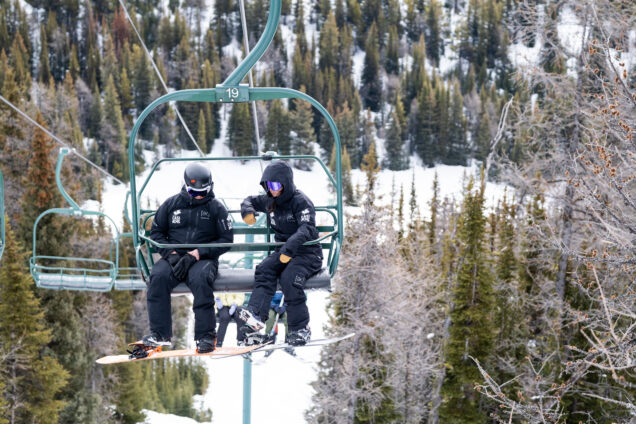
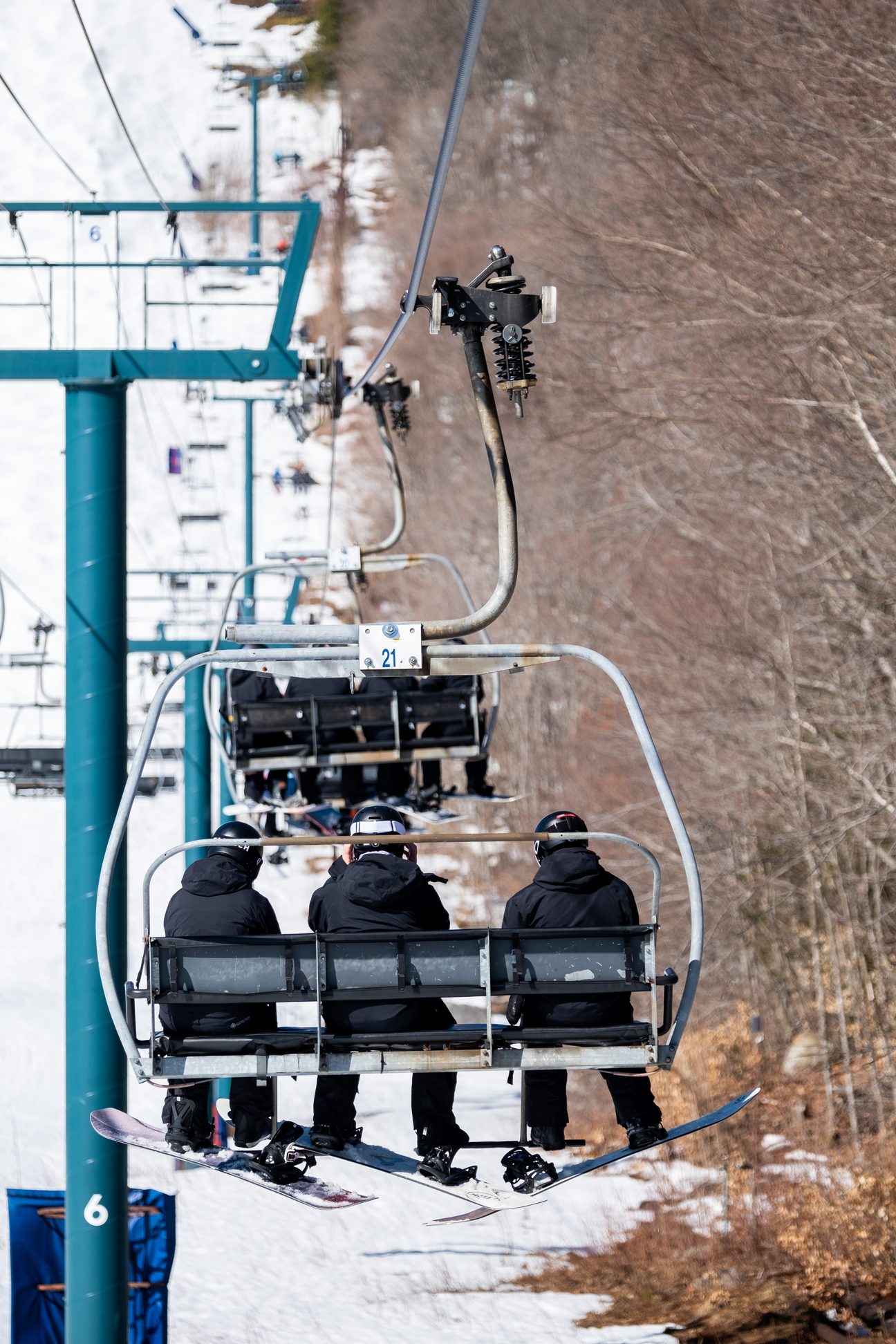
things completely, go for a fun run with no task, take a chairlift with them on their own, or
even just give them some space to talk and be heard. Quite often, once the pressure comes
off, the riding starts to improve anyway.
Humour is one of the tools I use a lot to help people relax, but the bigger idea is finding a way to lower the pressure. For some instructors that might be humour, for others it might be
reassurance, a quieter conversation, or simply giving someone permission to get it wrong. The method can look different, but the goal is the same: pay attention to the whole student,
not just whether they can complete the task, and create enough comfort that they are willing to experiment, make mistakes and keep moving.
One thing we see regularly is ‘backlining’, where someone keeps ending up at the back of
the group, often because they do not want to be watched. Giving them a bit of one-to-one
space, checking in quietly and then celebrating the success when it comes can be enough to
bring them back into the group and lift their confidence very quickly.
The same idea applies across the whole group. If one person dominates the conversation,
we can deliberately bring quieter voices in. If someone is struggling on harder terrain, we can
simplify the terrain while increasing the challenge for the stronger riders. Everyone in the
group does not need the same thing from us at the same time.
A lot of this comes back to observation and listening, which leads to something many of us
talking less.
could probably experiment with more:
CASI is full of passionate instructors who genuinely want to help people improve, and that
passion is one of the best things about the organization. Sometimes though, that enthusiasm
turns into more and more information. We explain, add another cue, give another example
and then one more thing just in case. We all microphone sometimes.
Some of the most effective teaching can be incredibly simple. The input is short, clear and
connected to a reason: what are we trying to do, why are we doing it, and how should the
movement help? Then go ride.
You can always add more words later.
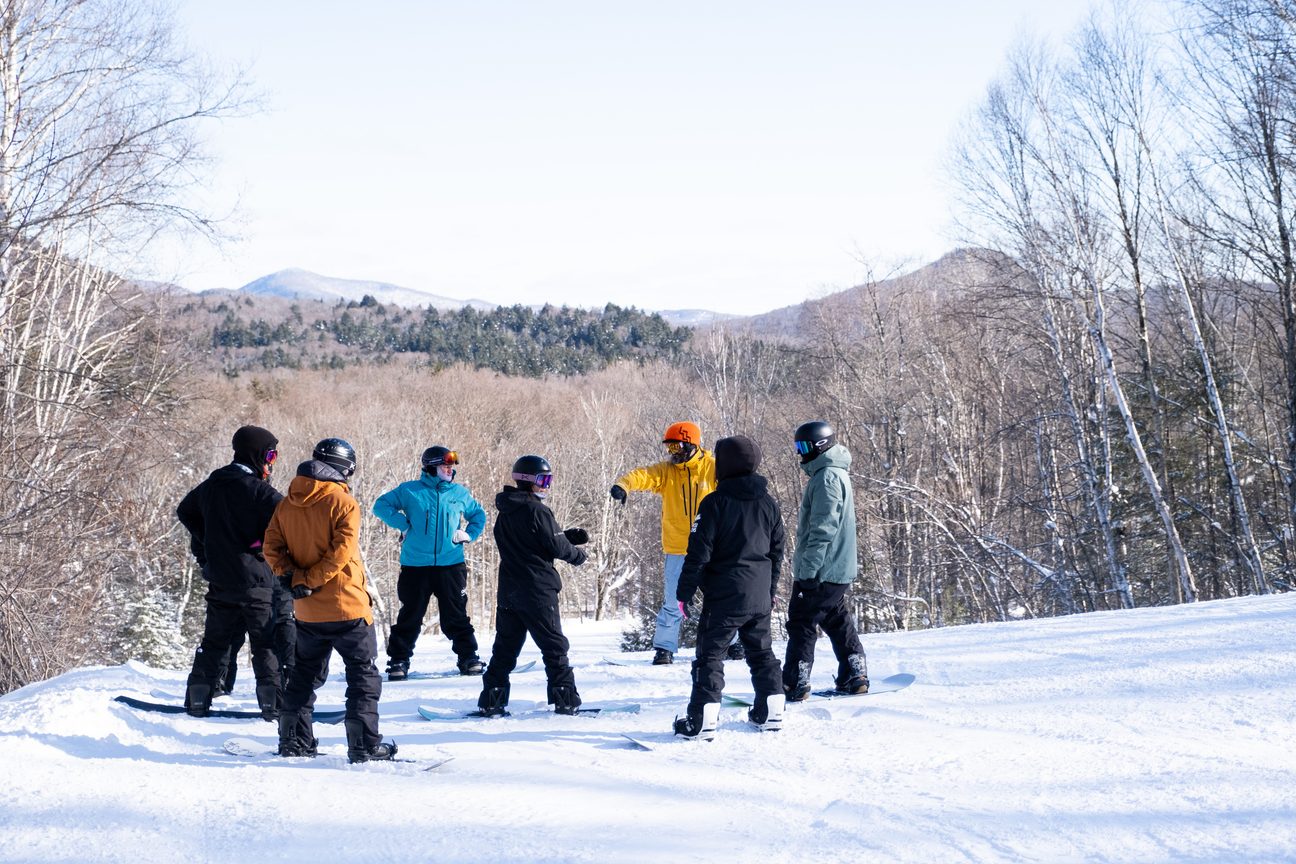
We do not need to give the entire explanation at the top of the run. Give the student enough
to understand the movement, why they are doing it and what they are trying to achieve, then
let them try it. The refinement can happen as the lesson develops, once they have
something real to feel and talk about. Snowboarding is a movement-based sport, so at some
point people need to move more than they need to listen.
That is where the idea of being a facilitator becomes important. Our role is not simply to
deliver information, but to understand what the person in front of us needs in that moment.
Sometimes that means technical input, sometimes humour, sometimes changing the terrain,
taking a quiet chairlift or backing off the task completely.
So maybe the challenge this season is not to add more, but to notice more — notice the
person in front of us, notice when they need information and when they need space, notice
who is hanging at the back, who is trying too hard, and who just needs a quiet chairlift and a
bit of reassurance.
Try saying less, ask a question and wait, let someone ride without another cue, change the
plan if the person in front of us needs something different, and then see what happens.
If we can get a little better at reading the person, not just the riding, the guest experience will
improve with it.

TOM ARNOLD
Level 3 / Park 2 Evaluator